Silverfish (Lepisma saccharinum) are ancient, wingless insects that have survived for hundreds of millions of years. While they do not bite humans or transmit communicable diseases, their specialized enzymatic ability to digest cellulose, dextrin, and complex starches makes them exceptionally destructive to household belongings, libraries, and historic archives.
Because silverfish are strictly nocturnal and move with lightning-fast, fish-like agility, infestations often go undetected for months. By the time homeowners spot a silvery insect scurrying across a bathroom floor or pantry shelf, substantial feeding damage has frequently already occurred behind baseboards, in closets, and inside storage boxes.
Recognizing the Telltale Signs of Silverfish Damage
Silverfish feeding produces distinctive physical evidence across household materials:
- Books and Paper Documents: They graze horizontally across glossy, glazed paper, leaving irregular, etched notches along page margins. They dissolve starch-based bookbinding adhesives, causing bindings to crack and pages to detach.
- Wallpaper and Drywall: Silverfish tunnel behind wallpaper to consume the paste, causing wallpaper to bubble, curl, and peel away from drywall seams.
- Stored Fabrics and Linens: Cotton, linen, silk, and rayon clothes (especially items stored with starch or sizing) develop small ragged holes, weakened fibers, and light yellow stains.
- Fecal Residue and Scales: Infested storage containers frequently contain tiny, black pepper-like droppings and shed silvery-metallic scales adhering to paper surfaces.
Why Moisture and Humidity Drive Silverfish Infestations
Silverfish have simple respiratory systems and dehydrate quickly in dry air. Because of this, they need high humidity (usually between 75% and 95%) to survive and multiply. Warm, damp areas create perfect hiding spots for them:
- Attics with poor roof ridge ventilation or hidden flashing leaks.
- Basements and crawlspaces with unsealed ground dirt or high ground moisture.
- Bathrooms with unvented shower steam or slow plumbing leaks behind tub surrounds.
- Laundry rooms where damp towels or clothes hampers accumulate.
Homeowner Preservation & Storage Best Practices
Proactive physical exclusion and storage modifications dramatically reduce feeding harborage:
- Ditch Corrugated Cardboard: Cardboard boxes provide both food (cellulose and glue) and shelter. Transfer archival documents, photo albums, and stored clothing into heavy-duty plastic storage totes with gasket-sealed lids.
- Maintain Humidity Below 50%: Run dehumidifiers in basements and crawlspaces. Use bathroom exhaust fans for at least 20 minutes following showers.
- Clean Pantries Regularly: Store open bags of flour, oatmeal, pasta, and dry pet food in airtight glass or rigid plastic containers.
- Vacuum Baseboard Voids: Frequently vacuum along baseboard seams, behind bookshelves, and inside closet corners to collect shed scales and food crumbs.
Professional Void Treatments vs. Superficial Surface Sprays
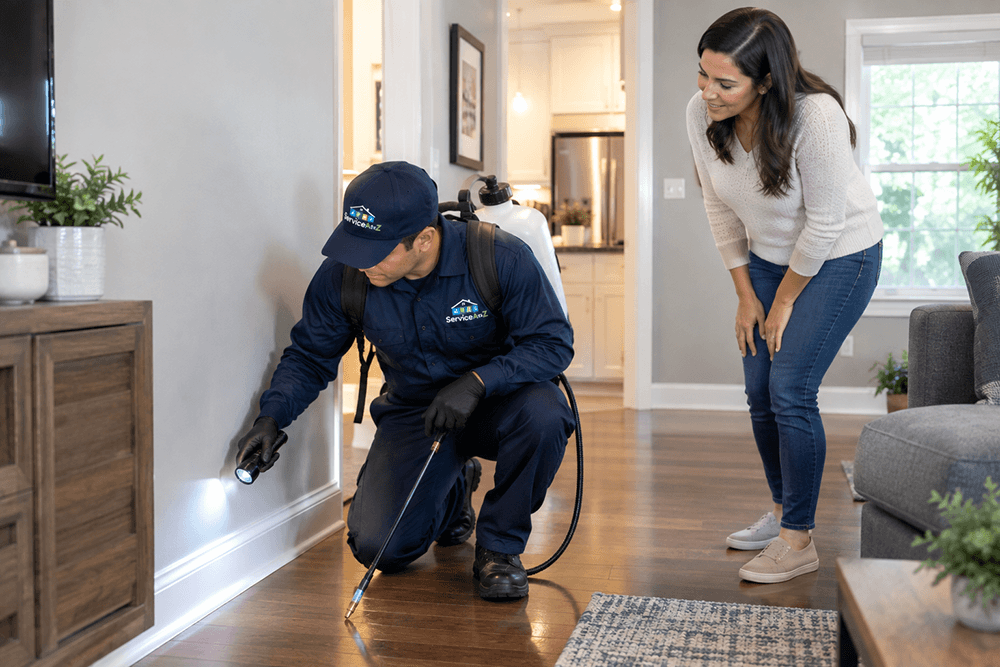
Aerosol insect sprays only eliminate the occasional forager in the open while driving the majority of the colony deeper into wall cavities and ceiling joists. Long-term eradication through professional silverfish control treatments utilizes inorganic desiccant dusts, such as amorphous silica and boric acid.
Applied precisely through micro-capillary injectors into switch plate voids, behind baseboard moldings, and throughout sub-floor spaces, desiccant dusts physically disrupt the insect's waxy cuticle. Because the formulation is inorganic, it does not evaporate or break down, providing continuous protection within inaccessible spaces. For widespread moisture pest issues, schedule a comprehensive residential pest inspection to safeguard your property.
Frequently Asked Questions
Need Professional Silverfish Control?
Connect directly with licensed local exterminators in your area today for comprehensive moisture and void defense.