Targeted Pest Solution
Silverfish Extermination & Attic Moisture Defense
Stop silverfish from damaging paper, wallpaper, and clothing. Dust treatments for attics, basements, and humid wall cavities.
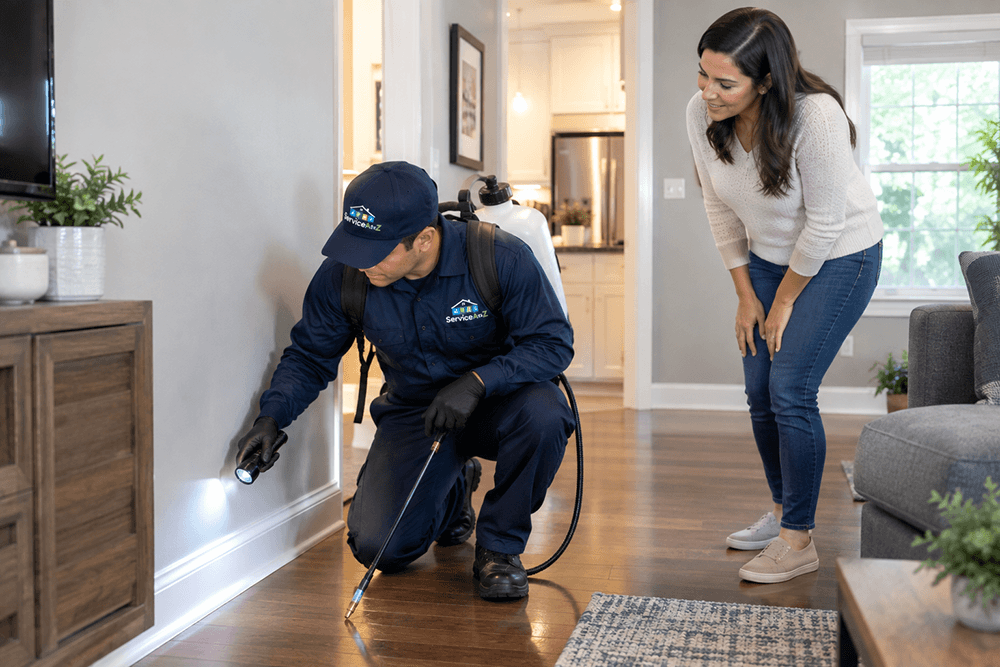
Stop silverfish from damaging paper, wallpaper, and clothing. Dust treatments for attics, basements, and humid wall cavities.
Silverfish (Lepisma saccharinum) are destructive, nocturnal moisture pests known for damaging wallpaper, archival documents, bookbindings, and stored textiles. Because silverfish feed on starches, dextrin, and cellulose adhesives, unaddressed infestations can quietly ruin family heirlooms, library collections, and boxed pantry goods. Effective eradication combines environmental humidity reduction with targeted void treatments rather than superficial aerosol spraying in residential properties.
Silverfish require relative humidity above 75% to thrive. Inspecting roof leaks, crawlspace ventilation, and bathroom plumbing isolates the microclimates supporting colony reproduction.
Cardboard storage boxes, old newspapers, and damp storage rooms provide ideal food and nesting harborage. Replacing cardboard with airtight plastic bins eliminates primary feeding zones.
EPA-registered inorganic desiccant dusts (such as amorphous silica and boric acid) applied precisely inside wall voids and sub-floor cavities disrupt the insect cuticle without airborne contamination.
Micro-capillary dusting behind moldings, switch plate recesses, and soffit joists creates long-lasting residual barriers that intercept nocturnal foragers before they enter living spaces.
Unlike many common household insects, silverfish have specialized enzymes that allow them to digest cellulose and complex polysaccharides. They cause distinct physical damage across several household materials:
Quality pest control focuses on targeted treatments rather than spraying chemicals all over open floors. Technicians apply specialized dusts (like boric acid or diatomaceous earth) directly into hidden voids, behind baseboards, under bathtubs, and inside attic eaves where kids and pets never come into contact with them. For lasting results, keeping indoor humidity below 50% with dehumidifiers and good airflow stops silverfish from returning.
Connect directly with licensed local extermination coordinators for comprehensive property inspections.
Specialists measure ambient relative humidity in crawlspaces, basements, and attic soffits, pinpointing excessive moisture microclimates.
Inspecting cardboard storage zones, library shelving, and bathroom plumbing gaps for telltale grazing damage and shed scales.
Applying EPA-registered inorganic desiccant dusts exclusively inside closed wall voids and beneath cabinetry where silverfish hide during daylight.
Providing actionable recommendations for crawlspace dehumidification, ventilation improvements, and plastic bin containerization.
Protect cellulose goods, family photo albums, and book collections from nocturnal silverfish feeding.
Silverfish Damage to Books, Wallpaper & Stored Goods: Prevention & Humidity Control