Restaurant Pest Control: Prevention, Documentation and Health Code Compliance
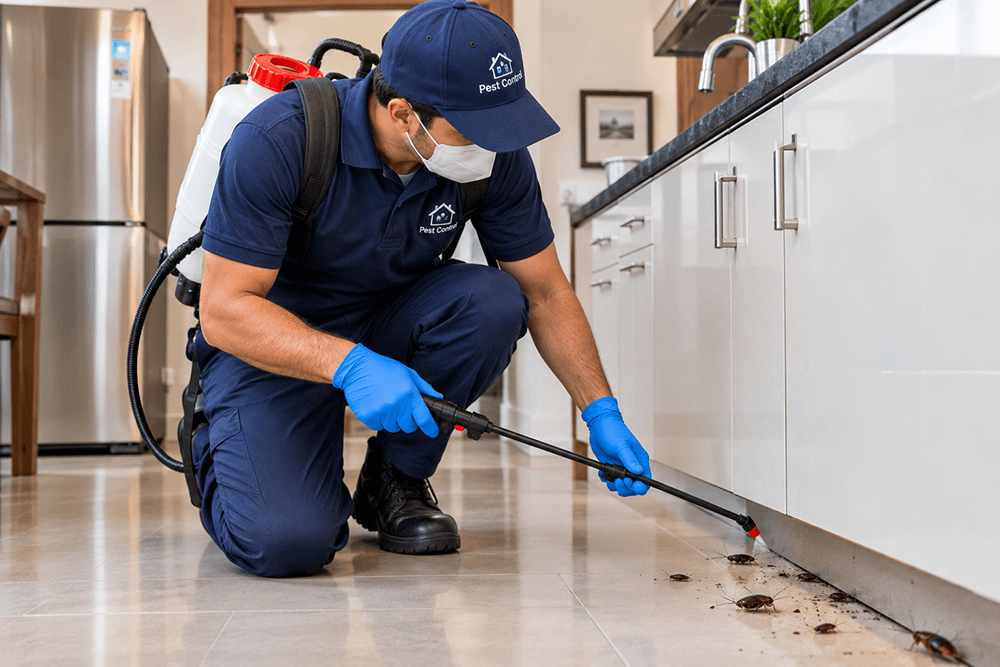
Executive Summary for Food Service Operators
For restaurants, commercial kitchens, bars, and catering businesses, reliable pest control is essential for passing health inspections and staying in business. Any sign of roaches, flies, or rodents can bring instant health code violations, bad inspection scores, or forced shutdowns. Staying compliant comes down to clean daily kitchen habits, keeping accurate service logbooks, and working with licensed commercial exterminators who know local health codes.
1. The Regulatory Stakes: Health Inspections and Food Safety Laws
Local health departments throughout the United States enforce sanitation codes modeled after the FDA Food Code. During unannounced inspections, environmental health officers scrutinize food storage, dishwashing zones, and cooking lines. Discover our full scope of commercial offerings via our commercial pest control service page.
Immediate Closure Notices
Active infestations of German cockroaches or rodents qualify as imminent health hazards, prompting instant suspension of food service permits.
Public Grade Downgrades
Cities with letter-grade or numerical scoring systems post demotions prominently in storefront windows and public municipal databases.
Viral Reputational Loss
A single diner photo of a cockroach on a dining room table or fly in a cocktail posted to social media inflicts lasting damage to customer trust.
2. The Big Three Kitchen Pests & Harborages
Commercial kitchens provide a trifecta of pest essentials: abundant organic food grease, constant warmth generated by commercial compressors, and moisture from dishwashing lines. Understanding target species helps staff identify threats early:
Protect Your Food Service License & Brand Reputation
Partner with certified commercial pest management specialists who provide scheduled audit-ready logging, electronic trap monitoring, and rapid kitchen response.
SPEAK WITH A COMMERCIAL SPECIALIST3. The Essential Pest Control Logbook: Audit Readiness
When a health inspector or corporate third-party auditor (e.g., AIB International, SQF, BRC) arrives, the very first document they request is the facility's commercial pest control logbook. A compliant, audit-ready binder or electronic portal must contain:
| Logbook Component | Required Documentation | Inspector Verification Purpose |
|---|---|---|
| Applicator Credentials | Valid state pest control business license, commercial applicator category certification, and certificates of general liability insurance. | Verifies only legally certified personnel apply materials on site. |
| Pesticide Usage Manifest | Date and time of application, exact product name, EPA Registration Number, target pest, specific location, and applied dilution volume. | Ensures compliance with EPA label restrictions and food contact safety. |
| Safety Data Sheets (SDS) | Complete SDS and specimen product labels for every chemical formulation, bait gel, and pesticide stored or applied on property. | Required by OSHA Hazard Communication standard and emergency responders. |
| Trap Site Map & Trend Logs | Numbered diagram showing all interior insect light traps (ILTs), mechanical rodent traps, and exterior tamper-resistant bait stations, with historical capture trends. | Demonstrates proactive Integrated Pest Management monitoring rather than reactive crisis spraying. |
4. Daily Kitchen Sanitation & Exclusion Checklist
Even the most skilled exterminator cannot overcome poor kitchen sanitation. Establishing strict closing procedures cuts off food and moisture vectors that sustain pest populations:
Nightly Trash & Dumpster Maintenance
Empty all kitchen waste bins into exterior dumpsters at closing. Keep dumpster lids closed at all times. Wash down surrounding asphalt pads with degreaser weekly to eliminate grease trails that attract rats.
Enzymatic Floor Drain Scrubbing
Do not rely solely on bleach, which dilutes rapidly and fails to break down organic drain scum. Scrub floor drains twice weekly with specialized bio-enzymatic drain cleaners that digest organic fats and fly breeding layers.
Cardboard Box Quarantine
Inspect all corrugated produce delivery boxes at the loading dock upon delivery. Immediately transfer produce into plastic food-safe storage bins and break down cardboard boxes outside the kitchen to avoid introducing cockroach egg sacks.
Exterior Door Sweeps & Air Curtains
Install heavy-duty neoprene or stainless steel brush sweeps along the base of all back service doors. Ensure fly air curtains trigger automatically whenever loading bay doors open to prevent flies from entering prep areas.
5. Integrated Pest Management (IPM) in Food Operations
Rather than relying on indiscriminate chemical spraying, professional food service pest management relies on Integrated Pest Management (IPM). IPM integrates non-toxic physical barriers, environmental controls, precision baiting, and targeted insect growth regulators (IGRs) that disrupt pest reproduction without threatening food preparation surfaces or customer safety.