Targeted Pest Solution
Fly Eradication & Bio-Drain Sanitation
Get rid of drain flies, houseflies, and fruit flies with bio-drain cleaners, insect light traps, and breeding site elimination.
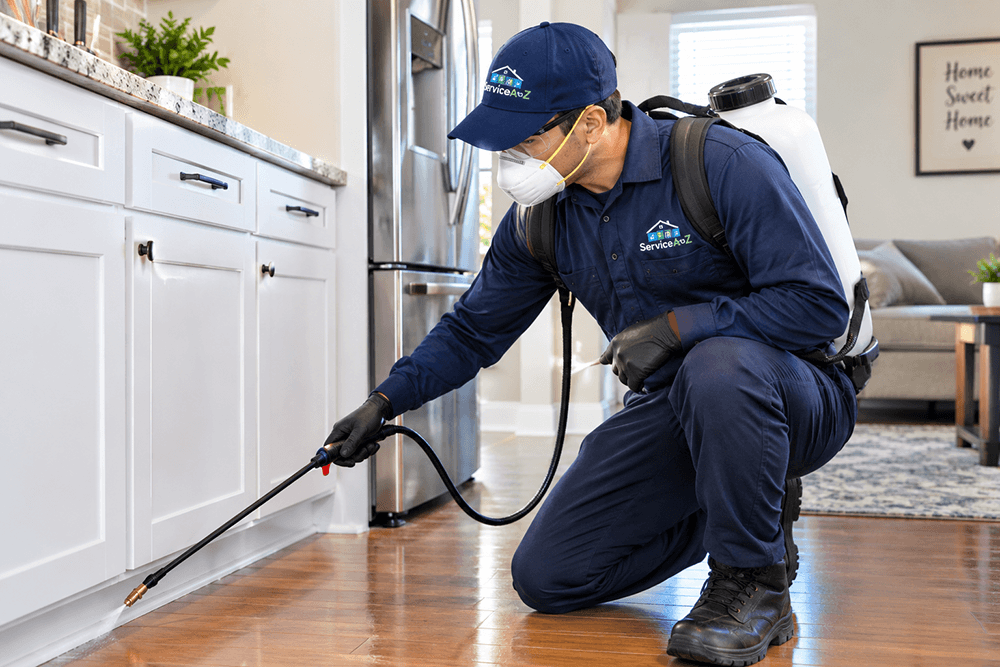
Get rid of drain flies, houseflies, and fruit flies with bio-drain cleaners, insect light traps, and breeding site elimination.
Indoor fly infestations cannot be resolved by aerosol swatters or surface sprays alone. Because flies reproduce rapidly within moist organic matter, grease traps, drain pipes, and fermenting food residuals, sustainable elimination requires identifying the exact fly species and removing its breeding substrate. Once the larval development source is addressed, targeted capture systems and exclusion barriers prevent re-infestation in residential homes and commercial food facilities.
Floor drains, garbage disposals, sink P-traps, and condensate lines accumulate gelatinous microbial film where drain flies and phorid flies lay hundreds of eggs.
Distinguishing between fruit flies, phorid flies, cluster flies, and house flies ensures treatment targets the actual biological origin rather than spraying ineffective surfaces.
Specialized enzymatic foam formulations digest the organic slime lining pipe walls without corroding plumbing, safely depriving developing fly larvae of their food source.
Strategic placement of insect light traps (ILTs) and non-toxic pheromone monitors captures adult flies in kitchens, pantries, and dining rooms without food contamination.
Correctly diagnosing the infesting species is the foundational step in pest management, as each fly family relies on distinct environmental conditions:
Aerosol bug sprays only knock down the adult flies you see buzzing around, leaving most of the colony safe as eggs and larvae hidden deep inside drain sludge. Pairing enzymatic drain cleaner with basic physical fixes, such as repairing window screens, adding weatherstripping, and sealing doorway gaps, keeps flies out of homes and businesses for good.
Connect directly with local extermination coordinators to diagnose hidden breeding sources.
Technicians inspect sink traps, floor drains, and cleanouts using mirrors and diagnostic tape traps to isolate active emergence points.
Pinpointing decomposing organic reservoirs under equipment, behind refrigerators, or inside wall cavities where moisture collects.
Application of professional microbial cleaners and strategic placement of insect light traps to capture remaining adult fliers.
Guidance on sealing threshold gaps and establishing scheduled drain maintenance to prevent recurring infestations.
Diagnose whether your kitchen or bathroom is harboring drain flies, phorid flies, or fruit flies.
Drain Flies vs. Fruit Flies: Species Identification & Biofilm Elimination