Reliable Local Pest Control Connection & Extermination Network
Support
Targeted Pest Solution

Stink Bug Exclusion & Seasonal Overwinter Defense

Prevent brown marmorated stink bugs from entering window frames and siding during fall migration into heated interiors.
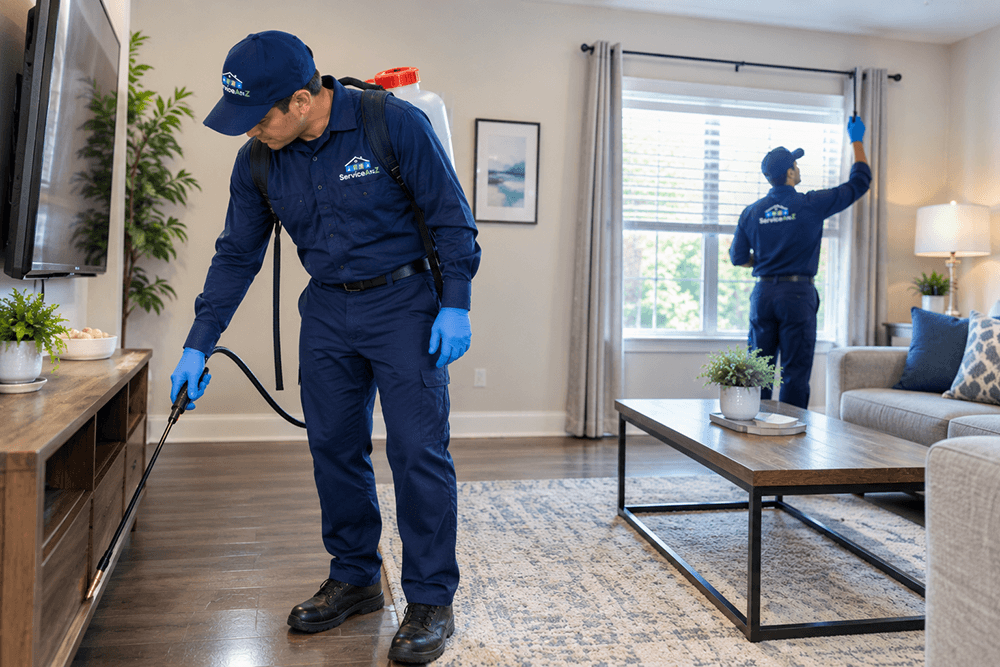
Stink Bug Exclusion Defense Service Image
Seasonal Autumn Defense

Comprehensive Stink Bug Exclusion, Siding Defense & Overwintering Prevention

Brown Marmorated Stink Bugs (Halyomorpha halys) are invasive agricultural and domestic pests that congregate on home exteriors in massive numbers each autumn. Seeking warm, protected shelters to survive winter diapause, they crawl through soffits, attic vents, window trim, and siding joints. Once inside, they emit foul-smelling chemical secretions when disturbed or crushed. Because stink bugs enter by the hundreds without breeding indoors, successful management relies heavily on targeted exterior exclusion sealing and late-summer preventative perimeter barriers across residential properties.

Timed Pre-Autumn Barrier Spray

Micro-encapsulated exterior treatments applied to south and west-facing siding, window frames, and rooflines in late August–September intercept swarms before they penetrate walls.

Structural Envelope Exclusion

Sealing gaps around utility penetrations, siding joints, chimney flashing, and window sashes with elastomeric caulk and copper mesh stops physical intrusion.

Attic & Soffit Vent Screening

Installing fine wire insect screening (minimum 1/6-inch mesh) over gable vents, ridge vents, and crawlspace louvers blocks primary attic entry routes.

Odor-Free Extraction Protocols

Professional trapping methods and specialized HEPA collection prevent the release of pungent aldehydes that stain drywall, drapes, and furnishings.

Understanding the Stink Bug Overwintering Cycle & Biology

Stink bug behavior changes dramatically based on photoperiod and outdoor temperatures:

  • Autumn Swarming (September–October): As daylight shortens and crops dry out, adult stink bugs seek thermal warmth on sun-warmed exterior walls (particularly vinyl and brick siding). They search for hairline fractures to enter wall voids for winter hibernation (reproductive diapause).
  • Winter Dormancy in Wall Voids: Once inside wall insulation and attic spaces, stink bugs enter a dormant state. They do not eat, lay eggs, or damage wooden framing during this period.
  • Spring Emergence (March–May): As indoor heating or spring sunshine warms the walls, confused bugs awaken and blunder into living areas around light fixtures, baseboards, and window sills trying to return outdoors.
  • Chemical Defense Glands: When threatened or squashed, scent glands on their metathorax emit pungent defensive aldehydes that produce an acrid, cilantro-like odor. This chemical also functions as an aggregation pheromone, signaling nearby bugs to gather.

Homeowner Autumn Exterior Exclusion Checklist

Preventative sealing before cool weather arrives is the most effective defense against stink bug swarms:

  • Window & Door Screens: Repair tears, patch holes, and ensure tight tension in all window framing and sliding patio screens.
  • Exterior Caulking: Apply high-grade silicone-acrylic caulk around window casings, door frames, siding fascia, and exterior faucets.
  • Door Sweeps & Weatherstripping: Install sturdy rubber door sweeps on exterior entry doors and ensure garage threshold seals sit flush against the slab.
  • Attic & Crawlspace Vents: Inspect gable, ridge, and crawlspace ventilation louvers, retrofitting with durable stainless steel or copper mesh.
Need Immediate Stink Bug Exclusion?

Connect directly with licensed local extermination coordinators for seasonal perimeter defense.

What to Expect During a Professional Stink Bug Service

1
Envelope & Entry Point Audit

Technicians inspect sun-exposed siding, attic vents, soffits, window assemblies, and plumbing penetrations for structural gaps.

2
Targeted Pre-Season Barrier Spray

Applying UV-stable, residual formulations across exterior eaves, siding seams, and window trims in late summer to repel landing swarms.

3
Critical Exclusion Sealing

Recommending and sealing high-vulnerability openings to create a continuous physical barrier against overwintering invaders.

4
Interior Removal & Trap Guidance

Safe extraction protocols and light-trap deployment for any bugs that managed to enter, preventing odor release and wall staining.

Recommended Diagnostic Guide
Seasonal Stink Bug Home Sealing Guide

Keep brown marmorated stink bugs from aggregating in exterior walls and attics during autumn.

Fall Stink Bug Prevention & Exterior Home Sealing Guide

Frequently Asked Questions About Stink Bug Control

In late summer and early autumn, decreasing daylight hours and dropping temperatures trigger an instinct called diapause. Stink bugs seek shelter from freezing winter weather, landing on sun-warmed exterior walls and finding cracks in window frames, soffits, and siding to crawl indoors for warmth.

Crushing stink bugs releases pungent chemical aldehydes from their abdominal glands that emit an unpleasant odor and permanently stain upholstery, walls, or carpets. Using a standard vacuum can cause the motor fan to crush the bugs, permanently infusing the machine with the odor. Instead, gently sweep them into soapy water, or insert a knee-high nylon stocking into the vacuum hose nozzle to catch them without entering the bag or filter.

No. Stink bugs do not bite humans, sting, transmit bloodborne pathogens, or chew into wooden framing or drywall. They feed exclusively on plants and agricultural crops. However, their sheer numbers, noisy flight, and offensive defensive odor make them an intolerable nuisance inside homes.
All Services Call Now