Pet Safety and Pest Control: Product Labels, Re-entry and Precautions
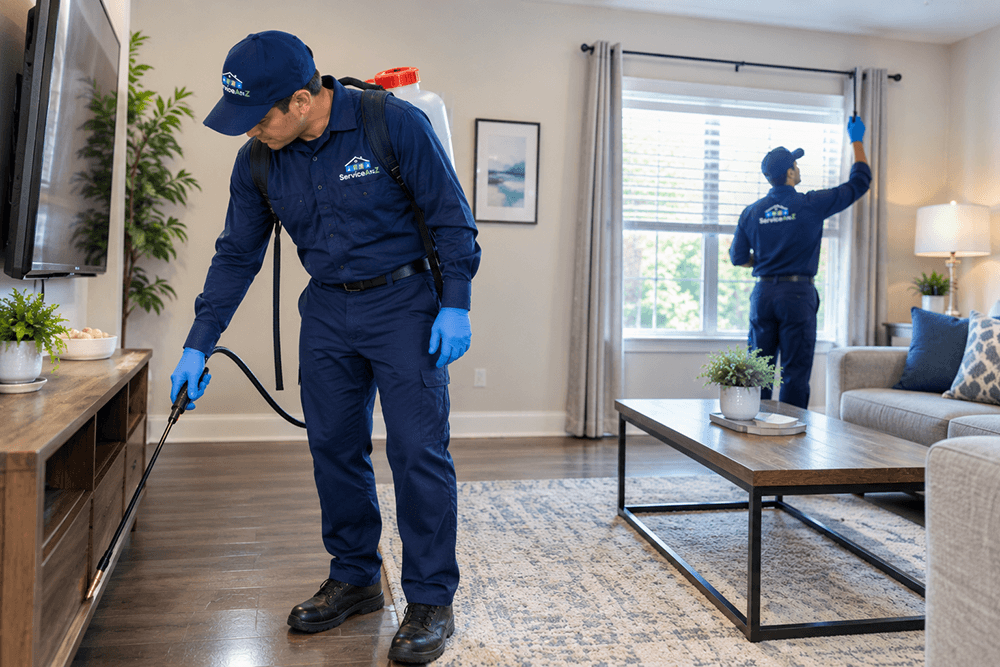
Executive Summary for Pet Parents
Pest control and pet safety go hand in hand when treatments follow EPA product guidelines and proper re-entry times. Different pets have distinct sensitivities: cats cannot tolerate permethrin, dogs can be drawn to sweet rodent baits, birds have fragile respiratory systems, and aquarium fish react poorly to airborne mist. By taking basic pre-treatment steps, following the dry-down rule, and using locked bait boxes, you can get rid of bugs while keeping your pets completely safe.
1. The Golden Law: EPA Product Labels & Re-entry Protocols
In the United States, pesticide regulation is governed by the Federal Insecticide, Fungicide, and Rodenticide Act (FIFRA). Every EPA-registered pest control formulation carries a legally binding directive: "It is a violation of Federal law to use this product in a manner inconsistent with its labeling." Discover how our partners integrate pet safety within standard residential pest control barrier programs.
Modern pest control products are designed with low toxicity to mammals once dry. The main risk to pets happens when they walk across wet floor sprays, pick up chemicals on their paws, and lick them off while grooming. The golden rule is following the Dry-Down Interval: keep dogs, cats, and small children off treated surfaces until everything is 100% dry (usually 2 to 4 hours).
2. Species-Specific Vulnerabilities: Cats, Dogs, Birds & Fish
Different household animals react to active chemical classes in vastly different ways. Certified pest professionals tailor their treatment techniques to the specific pets present on site:
Cats & Permethrin Toxicity
Cats possess a unique liver deficiency: they lack the enzyme glucuronosyltransferase, making them incapable of metabolizing certain concentrated synthetic pyrethroids (specifically permethrin). Exposure causes severe muscle tremors, seizures, and hypothermia. Professional technicians use alternative low-risk chemistries or targeted gel baits in homes with felines.
Dogs & Rodenticides
Dogs possess strong jaws and inquisitive noses that make loose rodent bait blocks dangerous. Anticoagulants, cholecalciferol, and bromethalin rodenticides are toxic to canines. Federal regulations require rodent baits outdoors and in accessible spaces to be housed exclusively in locked, heavy-gauge EPA Tier 1 tamper-resistant stations. Check our rodent exclusion protocols.
Birds & Aerosol Inhalation
Parrots, canaries, and cockatiels possess highly efficient, delicate avian respiratory systems with non-filtering air sacs. Airborne aerosol mists, thermal foggers, and strong hydrocarbon propellants can cause fatal pulmonary distress. Birds must be moved to an untreated room or temporarily boarded offsite during treatment.
Fish & Aquatic Invertebrates
Synthetic pyrethroids, while having low toxicity to humans and dogs once dry, are exceptionally toxic to freshwater and marine fish. Prior to any interior liquid or aerosol service, aquariums must be covered with non-permeable plastic wrap, and bubbler/filter air pumps must be turned off to prevent pulling chemical mist into the water.
Need Safe, Pet-Conscious Extermination for Your Home?
Connect with licensed exterminators who prioritize pet safety, utilizing EPA-compliant application protocols, targeted gel baits, and tamper-resistant stations.
SPEAK WITH A PEST SPECIALIST3. Step-by-Step Preparation Checklist for Pet Owners
Proper preparation before the pest control technician arrives is essential to ensuring zero accidental chemical contact. Follow this actionable protocol:
| Timing | Action Required | Safety Purpose |
|---|---|---|
| Pre-Service (Morning of) | Remove pet food bowls, automatic water fountains, chew toys, and open bedding from rooms scheduled for baseboard treatment. Store in sealed plastic bins. | Prevents aerosol drift or baseboard liquid overspray from contaminating feeding dishes or items pets chew. |
| During Treatment | Relocate dogs and cats to an untreated garage, carrier, or take them on a walk. Cover aquariums and turn off air bubblers. | Ensures animals do not follow the technician, inhale airborne mist, or step onto wet treated baseboards. |
| The 2-to-4 Hour Window | Allow applied treatments to dry undisturbed. Open windows or run ceiling fans if advised by the technician to facilitate air drying. | Active formulations bind tightly to microscopic carpet fibers and baseboard surfaces once dry, preventing chemical transfer to paws. |
| Post-Re-entry Check | Inspect floors to verify complete dryness before allowing pets back into treated zones. Uncover aquariums and turn filtration back on. | Guarantees 100% dry surfaces and restores normal aquarium oxygenation. |
4. Flea & Tick Treatments: Coordinating Yard, Pet & Home
When treating for active fleas or ticks, eradication requires a coordinated multi-tier strategy. Addressing only the pet with veterinary spot-on treatments leaves 95% of the flea biomass (eggs, larvae, and pupae) alive in carpets and yard turf. Conversely, treating the home without veterinary medication allows pets to continuously re-infest treated areas. For full details, review our professional flea and tick management service.
- Veterinary Preventatives: Consult your veterinarian for oral (e.g., isoxazoline chewables) or approved topical flea and tick preventatives.
- Pre-Treatment Vacuuming: Thoroughly vacuum carpets, rugs, and furniture before treatment. The mechanical vibration stimulates pupae to emerge from protective cocoons, making them susceptible to treatment.
- Insect Growth Regulators (IGRs): Professional pest applicators apply specialized IGRs (such as pyriproxyfen or methoprene) that disrupt juvenile flea hormone development without posing risk to mammalian nervous systems.
5. Emergency First-Aid in Case of Suspected Accidental Exposure
If you suspect a pet has walked through wet pesticide or ingested rodent bait, act calmly and swiftly:
Dermal Contact (Paws & Fur)
Wash the pet's paws and contaminated coat immediately with warm water and mild liquid dish soap (such as Dawn) to strip chemical residues. Prevent the pet from grooming or licking until fur is rinsed and dried.
Ingestion & Poison Hotlines
Keep the product packaging or technician service ticket with the EPA Registration Number handy. Contact your local emergency veterinary clinic or call the ASPCA Animal Poison Control Center or Pet Poison Helpline immediately.