Accurately identifying common household pests is the single most critical step in implementing an effective extermination plan. Misidentifying an insect can lead to using ineffective retail sprays that scatter colonies, worsen infestations, or waste hundreds of dollars.
From wood-destroying subterranean termites and nocturnal bed bugs to disease-carrying German cockroaches and attic-dwelling roof rats, every pest species exhibits distinct physical characteristics, harborage preferences, and foraging behaviors.
Physical Characteristics & Visual Identification Markers
Differentiating between common indoor pests requires examining specific anatomical features:
- Ants vs. Termites: Ants feature pinched waists, elbowed antennae, and forewings longer than hindwings. Termites possess straight waists, straight bead-like antennae, and four wings of equal length.
- German vs. American Cockroaches: German roaches are light brown, roughly 0.5 inches long, with two parallel dark stripes behind their head. American roaches (Palmetto bugs) are reddish-brown and up to 2 inches long.
- Bed Bugs vs. Fleas: Bed bugs are flat, oval, mahogany-colored flightless insects found in mattress seams. Fleas are tiny, laterally compressed brownish-black insects capable of jumping 7 inches vertically.
Behavioral Indicators & Nesting Signs
Pests leave distinct physical evidence long before they are spotted during daylight hours:
- Subterranean Termites: Pencil-thick mud tubes traveling up foundation walls and hollow-sounding baseboards.
- Rodents: Dark, rice-sized droppings near food pantries, gnawed cabinet edges, and oily rub marks along baseboards.
- Cockroaches: Black pepper-like fecal specks in cabinet corners and sweet, musty harborage odors.
- Bed Bugs: Rusty blood spots on bed sheets, translucent shed nymph skins, and linear bite clusters.
Professional Multi-Phase Inspection Protocols
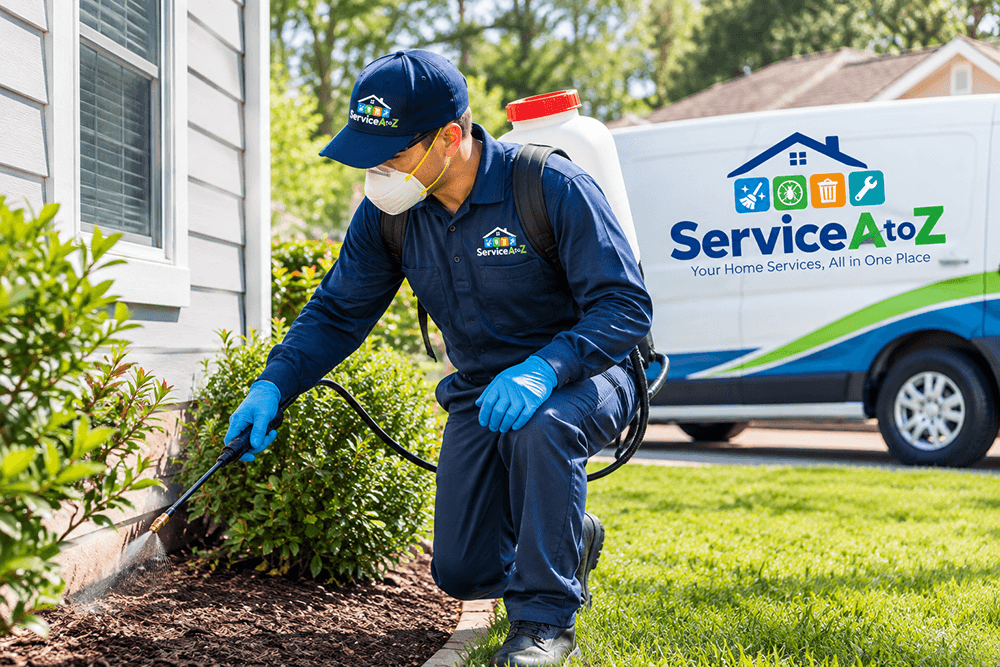
When certified exterminators audit a home, they perform a 360-degree inspection covering high-risk moisture zones, attic voids, plumbing penetrations, and exterior foundation edges. Utilizing thermal imaging cameras and moisture meters, specialists pinpoint hidden colonies before structural damage occurs.
Frequently Asked Questions
Need Professional Pest Dispatch?
Connect directly with licensed local exterminators in your area today for fast inspection.